
Nail Polish Safety: What the 2026 Recall Reveals About Nail Health and Cosmetic Safety
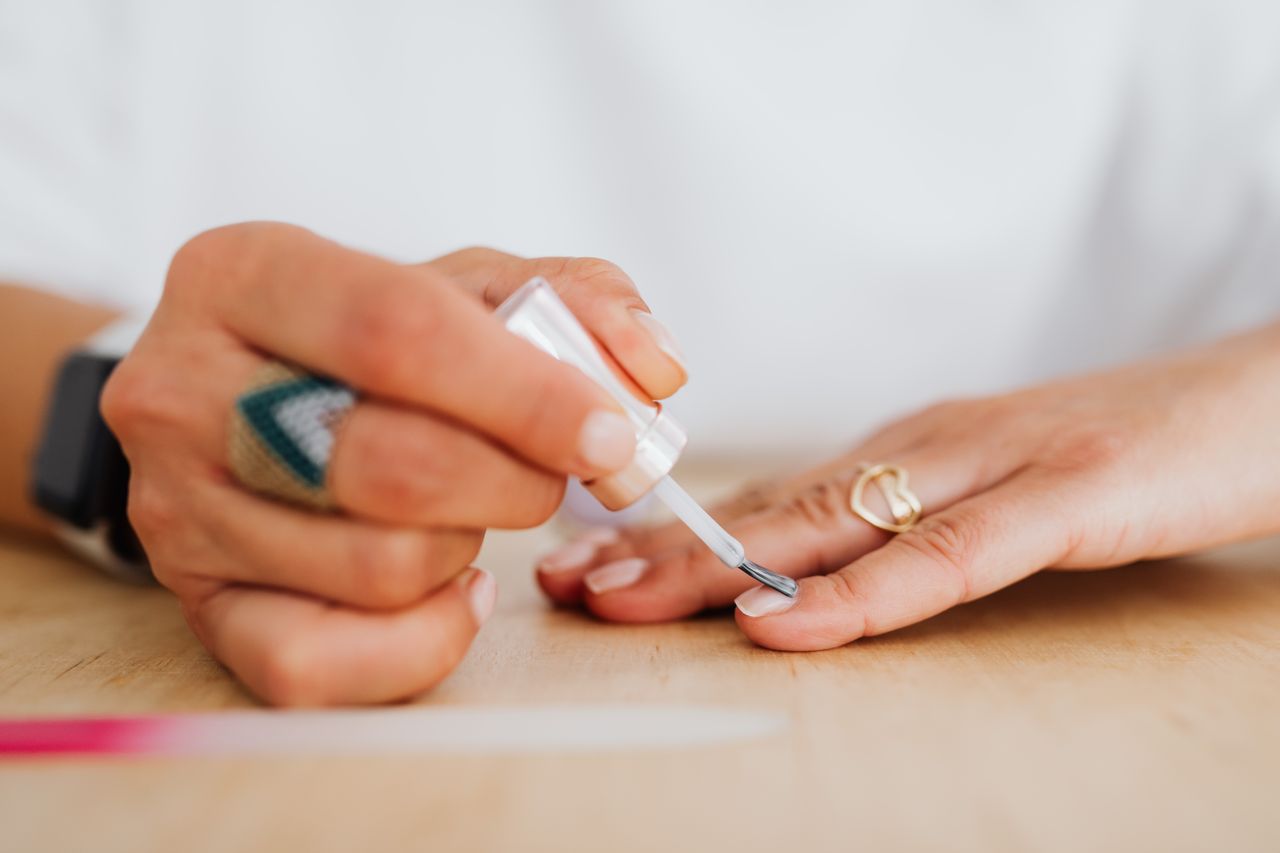
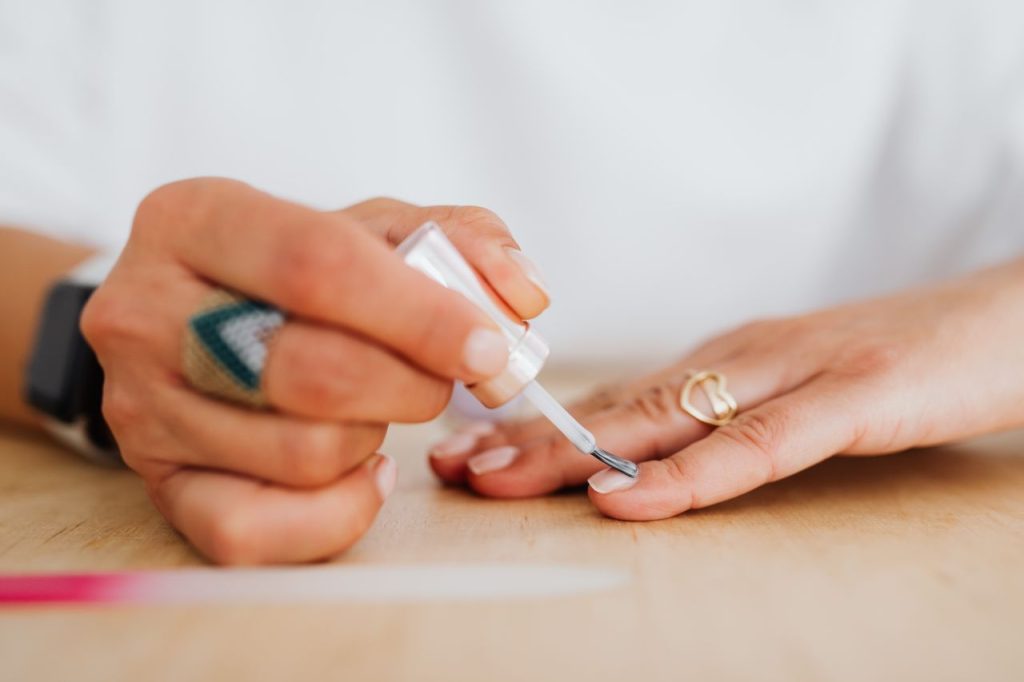
Nail polish is part of an everyday beauty routine, but how safe are the products we apply to our nails?
Beyond their effect on nail health, the ingredients used in nail polishes and removers must also meet strict safety and regulatory requirements.
A recent recall in the United States illustrates why this issue deserves attention. In April 2026, a gel nail polish remover was recalled after the detection of methylene chloride and chloroform, two hazardous substances that are prohibited in cosmetic formulations
1. Traditional nail polish: what are the effects on nails?
Traditional nail polish is generally made from polymers dissolved in solvents. Once applied, the solvents evaporate and the polymer forms a solid film on the nail.
When used appropriately, conventional nail polish is generally considered compatible with nail health. However, frequent use and removal can contribute to dryness or temporary nail discoloration, particularly with darker shades. Acetone-based removers are commonly used because they efficiently dissolve the polish, reducing the time the nail is exposed to the remover. However, acetone can also be drying to the nails, skin and cuticles.
2. What about “non-toxic” nail polish?
Consumers are increasingly familiar with terms such as “5-free,” “7-free” or “10-free.” The term “5-free” traditionally refers to formulations that exclude:
- Formaldehyde
- Toluene
- Dibutyl phthalate (DBP)
- Formaldehyde resin
- Camphor
Some of these substances have recognized toxicological or sensitizing properties. Formaldehyde, for example, can cause allergic contact dermatitis and is recognized as a carcinogenic substance.
However, the term “non-toxic” should be interpreted with caution. Removing certain ingredients from a formulation does not automatically mean that a product is completely risk-free. Cosmetic safety depends on the complete formulation, exposure conditions, ingredient concentrations and toxicological profile of the substances used.
3. A 2026 recall highlights another safety issue
A recent US recall involving a gel nail polish remover
has raised a different but equally important concern.The FDA reported the detection of methylene chloride and chloroform in the affected product. Methylene chloride, also known as dichloromethane, is a volatile solvent with a hazardous toxicological profile and is prohibited in cosmetics in the United States.
In the European Union, dichloromethane is also listed in Annex II of Regulation (EC) No. 1223/2009, the list of substances prohibited in cosmetic products.
This type of recall highlights a fundamental point: cosmetic safety is not limited to the intentional ingredients listed in a formulation.
4. The importance of raw material purity
How can a prohibited substance end up in a cosmetic product?
Contamination, inadequate raw material control, supplier issues or the use of an inappropriate grade of a raw material can potentially introduce unwanted substances into a finished product. This is particularly relevant for nail polish removers, where solvents are essential components of the formulation.
For cosmetic brands, simply having a compliant formula on paper is therefore not always enough. The quality and purity of the raw materials used to manufacture the product must also be controlled. Supplier qualification, appropriate raw material specifications and, when justified by the risk assessment, targeted analytical testing can help detect prohibited impurities before they result in a regulatory non-compliance or product recall.
A toxicologist's perspective
From a toxicologist’s perspective, this recall is a good reminder that cosmetic safety must be considered as a whole.
The question should not simply be whether a nail polish is “5-free” or whether a remover contains a particular solvent. The relevant questions are: What substances are actually present? At what concentrations? Through which exposure routes? And do they comply with the applicable cosmetic regulations?
A robust safety assessment should therefore consider both the toxicological profile of the intentional ingredients and the potential presence of impurities or prohibited substances originating from raw materials or manufacturing processes.
For cosmetic brands, controlling these risks at the source is essential. Supplier qualification, regulatory screening, toxicological assessment and targeted analytical testing can work together to prevent safety issues from becoming costly recalls.
At Toxi Plan, we support cosmetic companies in assessing these risks and ensuring that their products meet both toxicological safety and regulatory requirements before reaching the market.



Disclaimer:
The information provided in this article is for informational and educational purposes only. It does not constitute legal advice nor a personalized regulatory consultation. Despite the care taken in drafting this article and verifying its sources, regulations evolve regularly and may be subject to differing interpretations depending on the specific context of each company, product, or market.
Toxi Plan®, its directors, and its employees shall not be held liable for any use made of the information contained in this article without further analysis tailored to a specific situation. Any regulatory or strategic decision should be based on a specific assessment carried out by a qualified professional, with due regard to the applicable regulations, including any provisions or regulatory practices entering into force after the date of publication.