
2026 Gel nail ban: A key ingredient that makes manicures more durable has been banned!
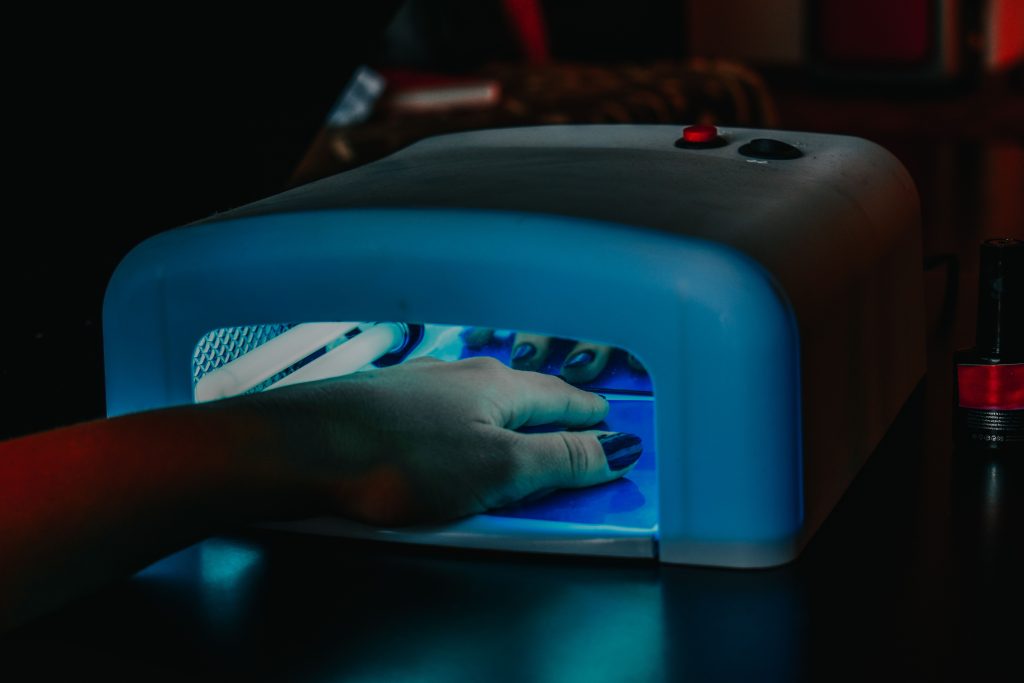
Gel manicures are known for their long-lasting finish, high shine and resistance to chipping. But behind this durability is a complex formulation designed to cure under UV or LED light.
One ingredient has recently come under regulatory scrutiny: Trimethylbenzoyl Diphenylphosphine Oxide (TPO), a photoinitiator used in some UV and LED nail products. Its role is to initiate the polymerisation reaction that allows the gel to harden when exposed to light.
Why has TPO been banned?
The concern is not about the performance of the ingredient, but its toxicological profile.
TPO was classified as a Category 1B reproductive toxicant (CMR) under European chemicals legislation. This classification was based on toxicological evidence, including animal studies indicating potential effects on fertility and reproductive development.
Under the EU Cosmetics Regulation, this classification led to TPO being added to the list of prohibited substances in cosmetic products. Its use in cosmetics has therefore been prohibited in the EU since 1 September 2025.
Great Britain has now followed with its own regulatory change: new cosmetic products containing TPO can no longer be placed on the GB market from 15 August 2026. A transitional period applies to products already on the market.
A toxicologist's perspective
It is important to put the ban into context. A CMR classification does not mean that every exposure to TPO will cause reproductive harm. Toxicological risk depends on factors such as the dose, route and duration of exposure.
However, cosmetic products are designed for repeated use, and regulatory decisions take into account the potential risks associated with consumer and professional exposure. Once a substance falls under the relevant CMR classification, the EU Cosmetics Regulation applies specific restrictions that can ultimately lead to prohibition.
From Ingredient Ban to Product Reformulation
For nail brands and manufacturers, the key issue is therefore not simply replacing one ingredient with another. Reformulation requires a new assessment of the safety, performance and regulatory compliance of the finished product.
The TPO case is a good example of how a change in the toxicological classification of a single substance can have a direct impact on an entire cosmetic category.



Disclaimer:
The information provided in this article is for informational and educational purposes only. It does not constitute legal advice nor a personalized regulatory consultation. Despite the care taken in drafting this article and verifying its sources, regulations evolve regularly and may be subject to differing interpretations depending on the specific context of each company, product, or market.
Toxi Plan®, its directors, and its employees shall not be held liable for any use made of the information contained in this article without further analysis tailored to a specific situation. Any regulatory or strategic decision should be based on a specific assessment carried out by a qualified professional, with due regard to the applicable regulations, including any provisions or regulatory practices entering into force after the date of publication.