SDS for essential oils, vegetable oils and butters: what you must know
A poorly constructed Safety Data Sheet (SDS) for essential or vegetable oils can be enough to lose a customer. Today, SDS for essential oils, vegetable oils, and vegetable butters have become a crucial selection criterion.
As experts in cosmetic regulations, Toxi Plan explains everything you need to know about SDSs for essential oils, vegetable oils, and vegetable butters.
1. Natural materials: a false simplicity
Lorsqu’on fabrique des huiles essentielles, des huiles végétales ou des beurres végétaux, on évolue dans un univers perçu comme naturel, ce qui donne souvent une illusion de sécurité.
Pourtant, c’est précisément là que se joue une erreur critique.
Car du point de vue réglementaire, une matière première naturelle reste une substance chimique. Elle peut être inflammable, irritante, allergène ou instable dans le temps, ce qui engage directement la responsabilité du fabricant.
Dans ce contexte, les FDS (Fiche de Données de Sécurité) pour huiles essentielles, huiles végétales et beurres végétaux ne constitue pas une simple formalité administrative.
Au contraire, elles représentent un document structurant qui conditionne la sécurité d’utilisation des produits et la confiance des clients.
When manufacturing essential oils, vegetable oils, or vegetable butters, one operates within a world perceived as natural, which often creates an illusion of safety.
Yet, this is precisely where a critical error lies.
From a regulatory standpoint, a natural raw material remains a chemical substance. It can be flammable, irritating, allergenic, or unstable over time, which directly engages the manufacturer’s liability.
In this context, Safety Data Sheets (SDS) for essential oils, vegetable oils, and vegetable butters are not a mere administrative formality.
On the contrary, they represent a crucial document that determines the safe use of the products and customer confidence.
2. Direct liability of the manufacturer
As a manufacturer, you are on the front line. It’s not your customer’s job to interpret the risk; it’s your responsibility to define and document it. European regulations mandate the provision of a Safety Data Sheet (SDS) whenever a substance presents hazards or is used professionally. But beyond the legal obligation, the reality on the ground is far more demanding.
Today, your customers—whether they are manufacturers, formulators, or brands—expect reliable, accurate, and readily usable SDSs. Inadequate documentation not only slows down their work but can also stall their projects and force them to switch suppliers.
3. SDS for natural materials: responsibilities and levels of requirement according to category
⚠️ Essential oils: products with high standards
Essential oils contain a wide variety of active molecules, which explains their value but also their regulatory complexity.
From one batch to another, the composition can vary depending on the botanical origin, climate, or extraction process.
Therefore, Safety Data Sheets (SDS) for essential oils must incorporate this variability to guarantee reliable classification and safe use.
Too often, these documents rely on generic data, which does not reflect the reality of the product on the market. Consequently, this leads to inappropriate classifications, incomplete information, and a transfer of risk to the end user.
🥥 Vegetable oils: vigilance often insufficient
Vegetable oils give an impression of simplicity. They are familiar, widely used, and rarely perceived as problematic.
Yet, they change over time. Oxidation, for example, can alter their properties and generate irritating compounds. Storage conditions also play a key role in their stability.
A generic Safety Data Sheet (SDS) misses these issues. It fails to properly inform the user or highlight the product’s quality.
Conversely, a well-structured SDS demonstrates your mastery of the product, its stability, and its conditions of use.
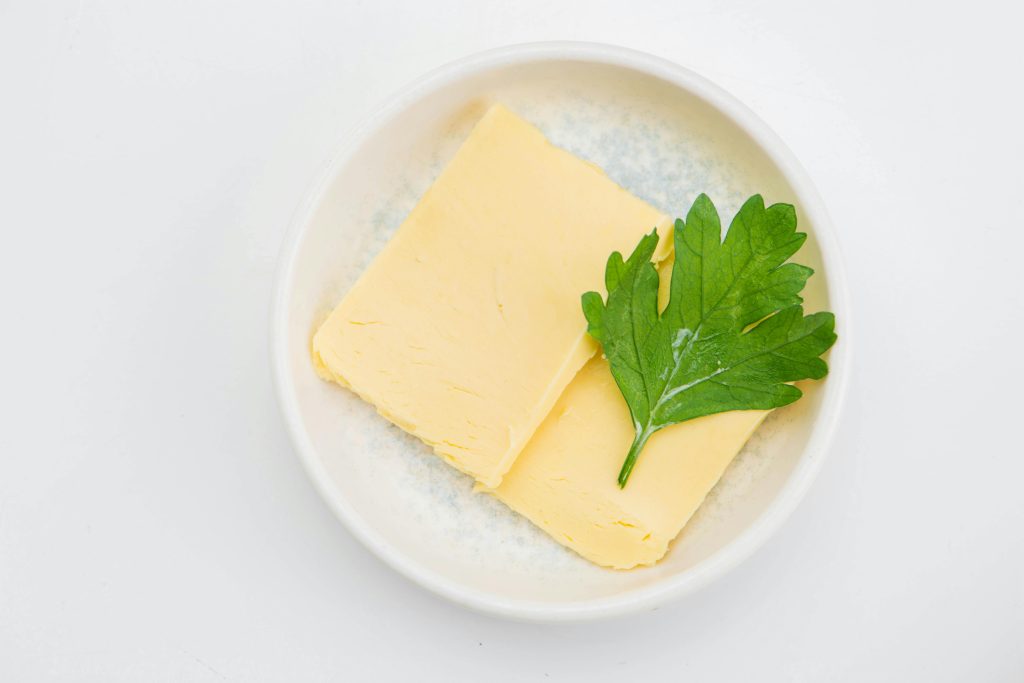
🧈 Plant-based butters: mastering variability
Vegetable butters, such as shea or cocoa butter, exhibit specific physical properties. They react to temperature, can recrystallize, and their quality is highly dependent on processing methods.
These parameters are rarely properly integrated into Safety Data Sheets (SDS). Yet, they have a direct impact on storage, handling, and usage conditions. Ignoring them results in providing incomplete, and therefore insufficient, information.
4. Where manufacturers still make mistakes
Underestimating the importance of the SDS
In practice, the same patterns are repeated. Safety Data Sheets (SDSs) are copied from a generic source, rarely updated, and sometimes inconsistent with the product’s technical specifications. This type of practice is no longer acceptable in an environment where regulatory requirements and customer expectations have evolved significantly.
Today, an SDS is one of the first documents your customers analyze. It directly influences their perception of your reliability.
The SDS, a tool for differentiation
A shift in approach is needed. A Safety Data Sheet (SDS) isn’t just about compliance. It can become a real differentiator.
When it’s clear, precise, and tailored to your product, it simplifies your customers’ work, secures their development processes, and strengthens your credibility.
In other words, it not only protects your users, but also supports your business growth.
5. Toxi Plan : a relevant and reliable support
This is precisely where Toxi Plan comes in.
We help manufacturers regain control of their regulatory documentation, starting with reality: their materials, their processes, their constraints.
Our approach isn’t about producing a “standard” SDS, but about building a document that’s consistent with your product, your quality, and your customers’ needs.
This involves a thorough analysis of your data, rigorous compliance, and a comprehensive view of your value chain.
The goal is simple: to secure your raw materials… and strengthen your position as a trusted supplier.
Natural ingredients don’t simplify regulations. They make them more demanding. And in this context, the Safety Data Sheet (SDS) becomes a strong indicator of your professionalism. If it’s inaccurate, it weakens your business. If it’s well-prepared, it becomes a competitive advantage.
And you?
Do your SDS truly reflect the quality and control of your raw materials? If you have any doubts, now is probably the right time to delve deeper into the subject. Toxi Plan supports you in transforming your regulatory requirements into a performance driver.
Disclaimer:
The information provided in this article is for informational and educational purposes only. It does not constitute legal advice nor a personalized regulatory consultation. Despite the care taken in drafting this article and verifying its sources, regulations evolve regularly and may be subject to differing interpretations depending on the specific context of each company, product, or market.
Toxi Plan®, its directors, and its employees shall not be held liable for any use made of the information contained in this article without further analysis tailored to a specific situation. Any regulatory or strategic decision should be based on a specific assessment carried out by a qualified professional, with due regard to the applicable regulations, including any provisions or regulatory practices entering into force after the date of publication.